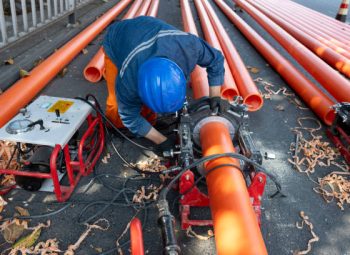



Engineering is undergoing a transformation. No longer confined to blueprints and physical models, it is now a dynamic blend of creativity, data, and technology. The future of engineering is being shaped by innovation at every level from how problems are identified, to how solutions are designed, tested, and deployed in real-world environments.
At the heart of this shift is the integration of digital technology into traditional engineering practices. Tools like artificial intelligence, cloud-based simulations, and real-time data analytics are giving engineers unprecedented insights and predictive capabilities. These technologies enable teams to design smarter, detect flaws before they happen, and streamline processes in ways that were once unimaginable. Digital twins, for example, virtual models of physical systems are allowing companies to test and optimize everything from industrial equipment to infrastructure projects without lifting a single tool.
But innovation isn’t only about speed or efficiency, it’s also about responsibility. The engineering sector is increasingly being called to account for its environmental impact. As industries evolve, so do expectations for sustainable practices. Engineers are now expected to think beyond function and consider the full lifecycle of their solutions from materials sourcing and energy consumption to end-of-life recycling. Sustainable engineering isn’t a trend; it’s becoming the standard. Low-emission systems, green construction materials, and circular design thinking are paving the way for a future where performance and planet go hand in hand.
Another force reshaping engineering is automation. On-site tasks that once required large teams are now handled by robotics and autonomous systems. From drones surveying construction zones to AI-driven quality control in manufacturing, automation is helping reduce errors, enhance safety, and lower costs. Meanwhile, AI tools are being used to generate designs, simulate stress factors, and optimize structures far beyond human capability.
Still, as much as technology advances, the role of human expertise remains central. The future of engineering will not be built by machines alone. It will rely on skilled professionals who can adapt, learn, and lead. Engineers who embrace continuous learning and stay fluent in both emerging technologies and foundational principles will be the ones to lead the charge into this new era.
Innovation is not just raising the bar for engineering, it’s redefining what’s possible. Standards are no longer static; they evolve with every breakthrough. And the companies that thrive will be those that don’t just keep up, but push forward, leading with curiosity, precision, and a bold vision for the future.
At Palmone, we believe engineering is more than solving problems, it’s about anticipating them and creating solutions that move industries forward. The future is here, and we’re building it.